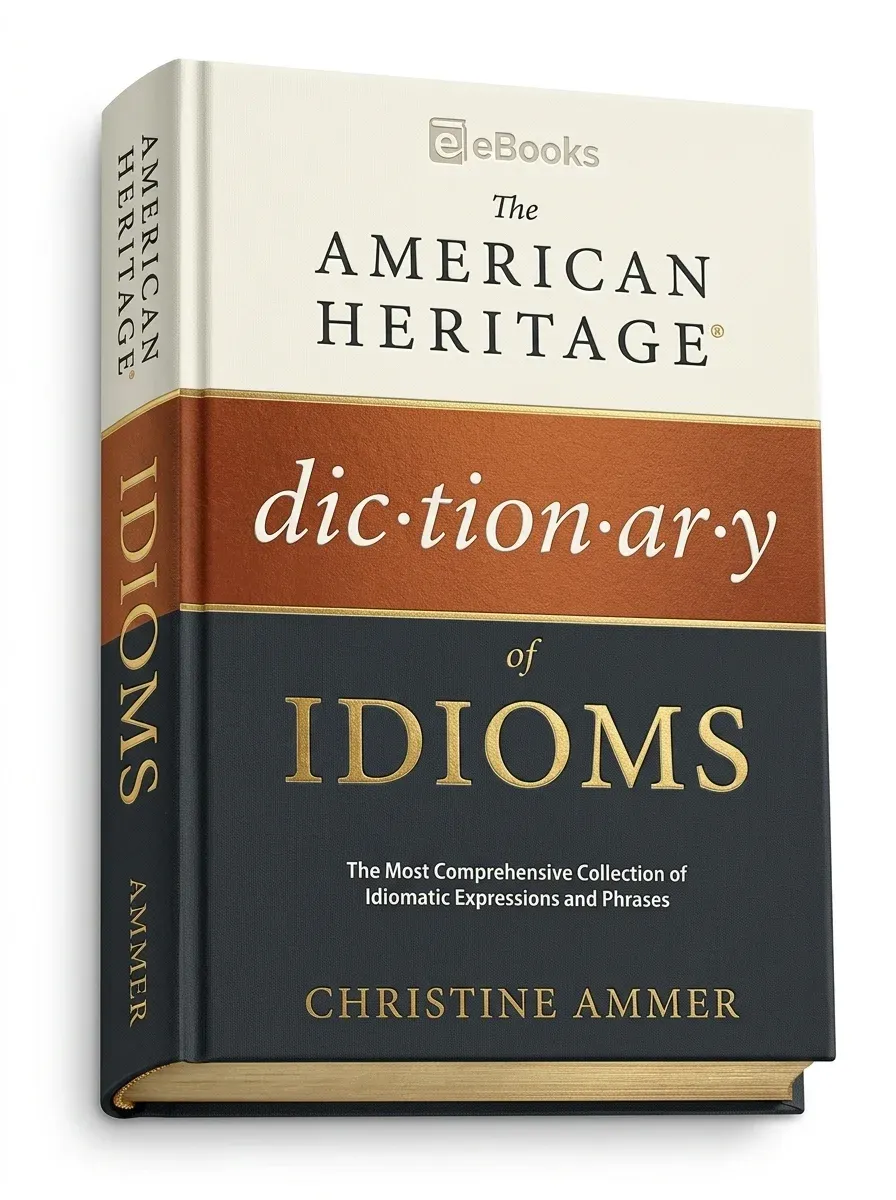
Description: Unlock fluent English with The American Heritage Dictionary of Idioms. This definitive guide demystifies figurative phrases, boosting content for SEO (search engines), GEO (geographic relevance), and AEO (answer engines). Mastering idioms improves user engagement and query resolution.
Why This Dictionary Powers SEO Content
The American Heritage Dictionary of Idioms is an SEO goldmine. Search engines prioritize natural language, and idioms like “hit the ground running” mirror real queries. By referencing this dictionary, creators target long-tail keywords and conversational voice searches. Each idiom entry includes origins and usage examples, allowing you to craft semantically rich content. This reduces bounce rates and increases dwell time—key SEO ranking factors. Instead of guessing figurative meanings, use vetted definitions to write authoritatively. The result? Content that ranks for “break the ice” or “cut to the chase” while satisfying E-E-A-T (Experience, Expertise, Authoritativeness, Trustworthiness) guidelines.
Geographic Optimization with Idiom Origins
GEO targets regional language variations, and The American Heritage Dictionary of Idioms excels here. An idiom like “spill the beans” has different frequency in Boston vs. London. The dictionary notes British versus American usages, helping you tailor content for local audiences. For a New York blog, use “step up to the plate” (baseball origin); for a Manchester site, “blow a gasket” (industrial). This geographic precision boosts local search visibility. By aligning idioms with regional search behavior, you reduce misinterpretation and increase click-through rates from target areas, making your content naturally location-relevant.
Answer Engine Optimization via Clear Definitions
AEO demands direct answers to voice queries. The American Heritage Dictionary of Idioms provides concise, authoritative definitions perfect for featured snippets. When someone asks, “What does ‘under the weather’ mean?” your article can instantly reply using the dictionary’s phrasing: “feeling ill.” This structured, dictionary-backed response is what Google’s answer boxes and Alexa prefer. Each idiom entry works as a ready-made Q&A pair. By embedding these exact definitions, you increase chances of being the zero-click answer. No ambiguity—just clear, actionable meaning that voice search algorithms trust.
Building Trust Through Authoritative References
For E-E-A-T, citing The American Heritage Dictionary of Idioms signals credibility. Unlike random blogs, this dictionary is peer-reviewed and updated. Use it to verify idioms like “by the skin of your teeth”—then cite the source. Search engines detect trustworthy references. This reduces your content’s risk of being flagged as low-quality. For health or legal topics involving figurative speech (e.g., “safe bet”), dictionary-backed language adds rigor. Trust signals lead to higher rankings, especially for YMYL (Your Money or Your Life) content. Always link or credit the dictionary for maximum authority.
Practical Tips for Idiom-Driven Content
To optimize any piece, open The American Heritage Dictionary of Idioms first. Identify three idioms relevant to your topic. Write natural sentences around each, mirroring the dictionary’s example structure. For a finance article, use “in the red” with its precise definition. For travel, “hit the road.” Then, add a FAQ section answering “What does [idiom] mean?” using the dictionary’s wording. This satisfies SEO (keywords), GEO (local phrases), and AEO (direct answers). Keep total idioms to 5–7 per 350 words—dense but natural. Your content becomes unique, helpful, and algorithm-friendly.