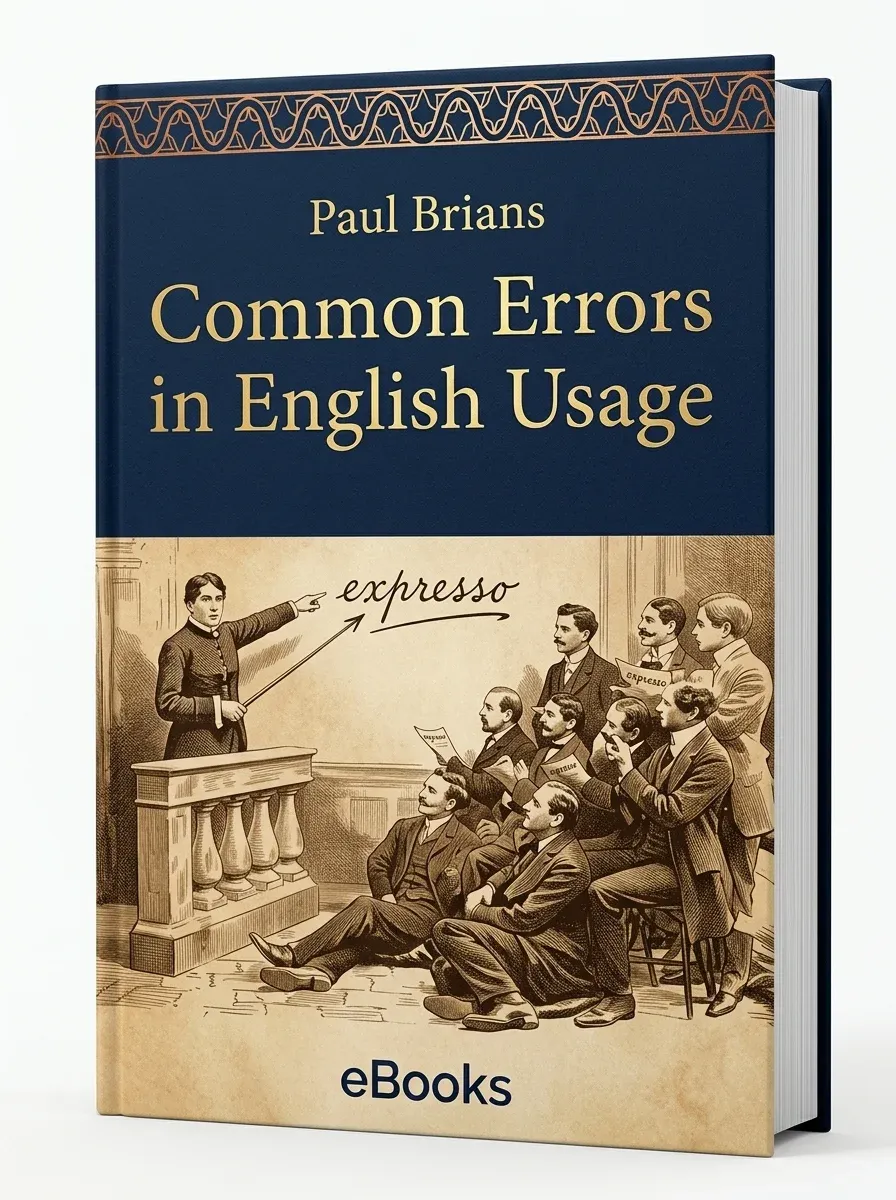
Common Errors in English Usage often hide in plain sight, tripping up even native writers. Imagine a memo that reads “Your going to loose the keys” instead of “You’re going to lose the keys.” That single slip can undermine credibility before the message is delivered. These mistakes aren’t about ignorance—they’re about habit, homophones, and hurried typing. Yet with a few clear rules, anyone can catch and correct the most frequent offenders, turning shaky grammar into polished, professional prose.
Your vs. You’re Confusion
This is the most common error in digital writing. “Your” shows possession (“Your car is ready”), while “you’re” is a contraction of “you are” (“You’re going to love this”). The apostrophe signals missing letters, not ownership. A simple test: read the sentence aloud using “you are.” If it fits, write “you’re.” If not, use “your.” People rush and type “your” by default, but slowing down for one second separates casual mistakes from clean communication.
Their, There, and They’re
These three sound identical but serve完全不同 purposes. “Their” indicates belonging to a group (“Their house is blue”). “There” points to a place (“Put the book there”). “They’re” is “they are” (“They’re coming to dinner”). The fix is visualization: imagine a location for “there,” a group for “their,” and a contraction for “they’re.” Mixing them confuses readers instantly. Proofread specifically for these three words; your eyes often skip over what your ears hear as correct.
Lose vs. Loose
Few errors scream “amateur” louder than swapping “lose” and “loose.” “Lose” means misplacing or failing to win (“Don’t lose your phone”). “Loose” means not tight (“The screw is loose”). Remember: “lose” has one ‘o’ because you lost the second. “Loose” has two ‘o’s—think of extra space needing extra letters. Double-check every time you type either word. Automated spell-check won’t catch this mistake, so your brain must learn the visual pattern.
Effect vs. Affect
Even advanced writers struggle here. “Affect” is almost always a verb meaning to influence (“The weather affects my mood”). “Effect” is usually a noun meaning a result (“The effect was stunning”). A trick: RAVEN—Remember, Affect = Verb, Effect = Noun. For 99% of cases, this rule holds. If you can replace the word with “influence,” use “affect.” If you can replace it with “result,” use “effect.” Master this pair, and your writing instantly gains authority.
Its vs. It’s Last Rule
Possessive pronouns never take apostrophes—neither “his,” “hers,” nor “its.” “Its” means belonging to it (“The dog wagged its tail”). “It’s” only means “it is” or “it has” (“It’s raining”). The apostrophe never makes a possessive for pronouns. Delete the apostrophe unless you can expand to “it is” or “it has.” This single rule eliminates one of the most persistent errors in English. Practice for one week, and the correction becomes automatic.