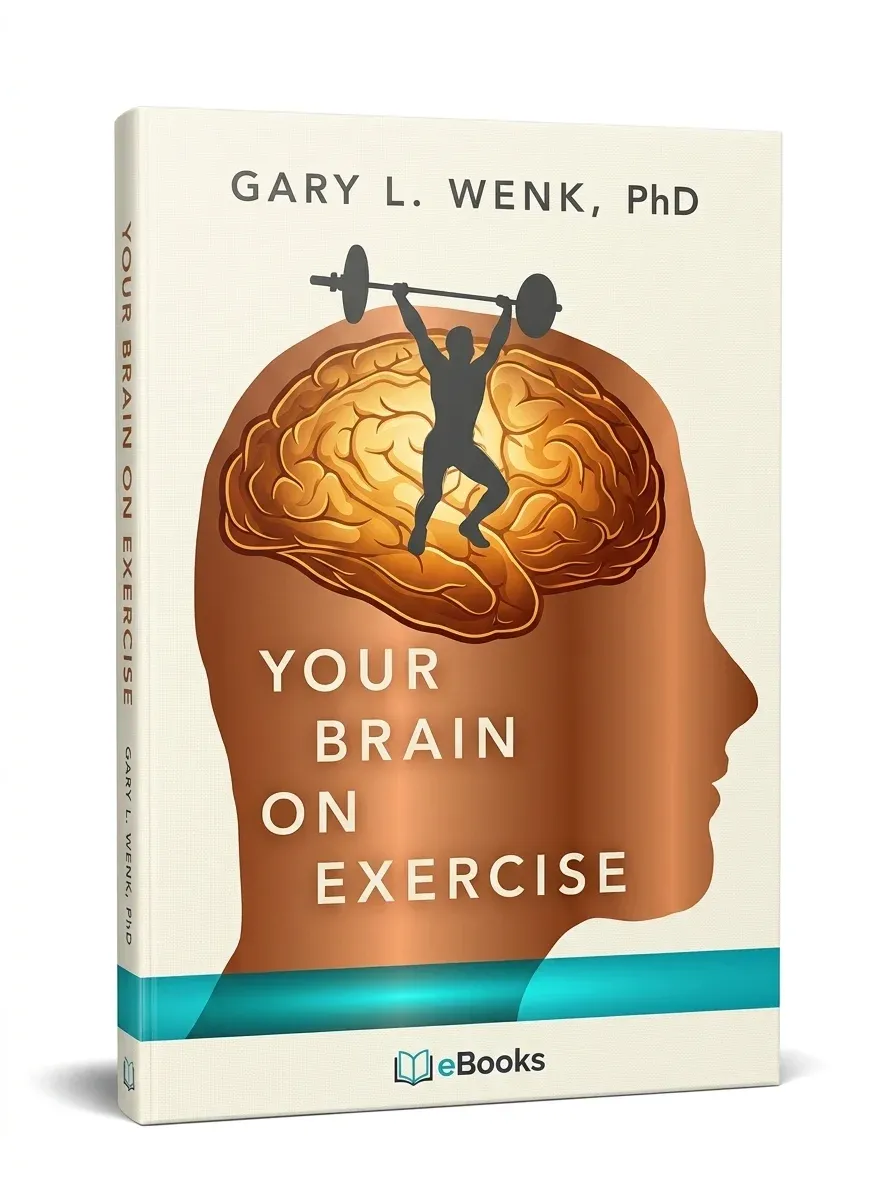
YOUR BRAIN ON EXERCISE begins not with a runner’s high, but with a quiet, electrical storm. Beneath your skull, neurons fire faster the moment your heart rate lifts. Blood vessels widen, delivering a surge of oxygen and glucose to every corner of your cortex. What feels like simple physical effort is actually a chemical reboot—one that sharpens focus, elevates mood, and repairs neural connections. Let’s step inside this transformation.
The Neurochemical Flood
When you move, your brain releases a cascade of neurotransmitters. Endorphins dampen pain while dopamine and serotonin lift mood and motivation. This is why twenty minutes on a treadmill can dissolve anxiety better than worrying ever could. Exercise also lowers cortisol, the stress hormone that shrinks memory centers. Within a single workout, your brain becomes a cleaner, calmer, more resilient organ—literally washing away fatigue chemicals and replacing them with natural antidepressants.
BDNF: Miracle-Gro for Gray Matter
The most powerful molecule released is Brain-Derived Neurotrophic Factor (BDNF). Think of it as fertilizer for brain cells. BDNF protects existing neurons and triggers the growth of new synapses. Studies show that regular aerobic exercise increases BDNF levels, directly improving learning and long-term memory. Without it, your brain resists change. With it, every squat or sprint becomes a key that unlocks neuroplasticity—the ability to rewire, adapt, and recover from injury or aging.
The Hippocampus Growth Spurt
Deep inside your temporal lobe, the hippocampus—your memory’s command center—actually expands with consistent exercise. MRIs reveal that adults who walk briskly for 40 minutes three times a week grow this region by up to 2% annually. That’s reversing age-related shrinkage by one to two years. Better spatial memory, stronger recall, and reduced dementia risk follow. Your brain on exercise isn’t just performing better; it’s physically becoming larger where it matters most.
Focus, Fatigue, and Executive Function
After a workout, your prefrontal cortex—the CEO of your brain—enjoys heightened activity for up to two hours. This translates to sharper concentration, faster decision-making, and improved impulse control. Office workers who take midday walking breaks solve problems 15% quicker. Students who exercise before exams retain more vocabulary. Meanwhile, mental fatigue evaporates. Exercise rebuilds attentional resources like a nap for willpower, leaving you clearer-headed without the crash of caffeine.
Long-Term Protection and Resilience
Decades of research confirm that lifelong exercise slashes Alzheimer’s risk by nearly 50%. It does this by improving blood flow, reducing inflammation, and clearing amyloid plaques. But protection starts young. Each workout strengthens neural reserves, building a “cognitive cushion” against future injury or disease. Your brain on exercise becomes tougher, more adaptable, and slower to decline. The prescription is simple: move often, and your most vital organ will thank you with every heartbeat.